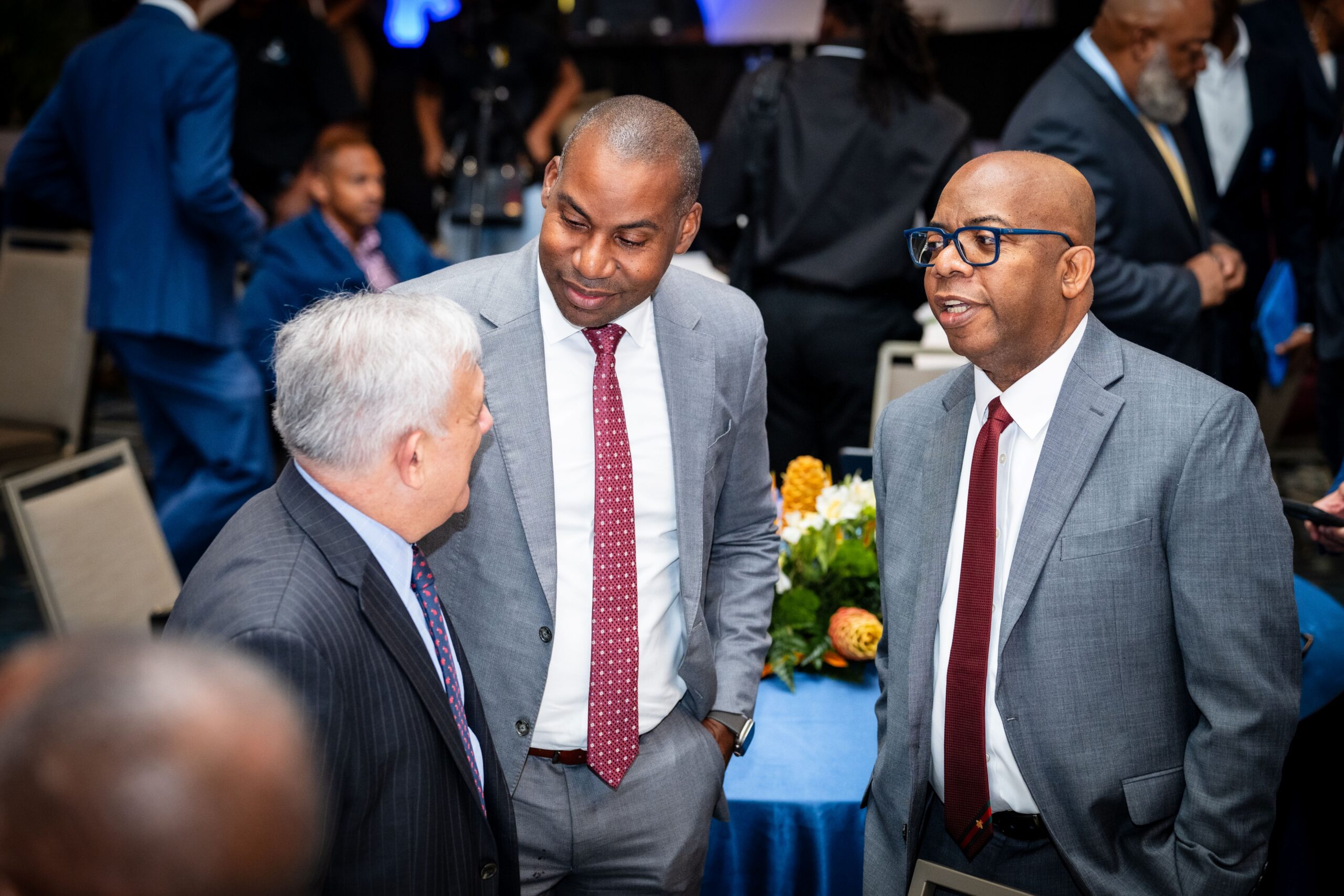
KINGSTON, Jamaica, November 10, 2026: As Jamaica marked the first anniversary of Hurricane Melissa, JPS and the Private Sector Organisation of Jamaica (PSOJ) brought together key stakeholders at the Jamaica Energy Summit to examine the critical decisions facing the electricity sector, from the cost and composition of the energy mix to infrastructure resilience and the financing needed to protect the country against future disasters. The discussions highlighted the need for coordinated national action to build an electricity system that is reliable, resilient, sustainable and affordable.
Held on October 27 under the theme “Powering Forward: Rebuilding Jamaica’s Energy Future After Hurricane Melissa,” the Summit brought together Government representatives, regulators, industry leaders and regional and international partners to consider how Jamaica can translate the lessons of the hurricane into long-term improvements.
Opening the Summit, JPS President and CEO Hugh Grant highlighted the national effort to restore electricity following Melissa and the need to turn that achievement into lasting progress.
“Today, we must look further ahead, to the energy future Jamaica needs, the investment it requires and the partnerships that will make it possible,” Grant said.
Despite extensive damage, JPS maintained electricity supply to 23% of customers following the hurricane, restoring service to 80% within one month, 90% within two months and 99% within four months. The JPS CEO said the recovery demonstrated not only the importance of electricity to the restoration of essential services, business activity and national economic growth, but also what can be accomplished through close collaboration and partnerships among key stakeholders.
Charting a Sustainable and Affordable Energy Future
The first of two panel discussions examined Jamaica’s future energy mix, electricity pricing, customer self-generation and the policies needed to attract investment while protecting customers.
Panellists Vernon Douglas, JPS Chief Financial Officer; Mariame Robinson, PSOJ Vice President; Bruce Levy, renewable energy developer and President and CEO of BMR Energy LLC; Milovan Blair, Chairman of the Northeast Power Coordinating Council, and Yasmin Chong, Chairperson of
the Consumer Advisory Committee on Utilities, explored the practical choices involved in building a competitive and sustainable electricity sector.
A key issue discussed was how Jamaica can increase renewable energy while maintaining a reliable electricity supply around the clock. Panellists highlighted the need to plan for the complementary roles of renewable generation, battery storage and flexible generation capable of supplying electricity when solar and wind resources are insufficient. The discussion emphasised that the objective is not to favour one technology over another, but to identify the right combination for Jamaica at the lowest sustainable cost.
The panel also examined the implications of increasing customer investment in rooftop solar. While greater customer choice is part of the energy transition, customers who rely on the national grid for backup must still account for the cost of keeping that network available, even when they purchase less electricity from it. Panellists highlighted the need for pricing arrangements that fairly allocate these shared costs and avoid shifting an unreasonable burden to customers who have fewer alternatives.
Electricity theft, taxes and the need for predictable energy policies were also identified as important considerations in addressing electricity costs. Participants emphasised that sustainable reform requires coordinated action by Government, regulators, the utility, businesses and communities.
Resilience Must Be Built Before the Next Hurricane
The second panel examined the lessons from Hurricane Melissa, including restoration preparedness, infrastructure hardening, regional cooperation and the financial mechanisms needed to strengthen the electricity network.
Panellists Ansord Hewitt, Director General of the Office of Utilities Regulation; Lance Becca, JPS Chief Operating Officer; Rochelle Johnson, Energy Specialist at the World Bank Group; and Hugo Hodge, CARILEC Board Director and President and CEO of HKT Energy LLC, highlighted the importance of preparation, advance contractor arrangements, equipment availability and coordinated restoration planning.
Undergrounding
The discussion also addressed the question of undergrounding electricity lines, often proposed as a solution to hurricane-related outages. Panellists noted that undergrounding can cost, at
minimum, approximately two to ten times more than overhead lines. Underground infrastructure can also be more difficult and time-consuming to repair when faults occur, while remaining vulnerable to flooding. The discussion therefore pointed to the importance of evaluating undergrounding as being feasible for only some corridors and alongside other resilience measures, based on risk, cost and operational requirements, rather than treating it as a universal solution.
Financing Resilience
Financing resilience was another major consideration. Participants highlighted the need to combine planned infrastructure investment with appropriate financial protection, including the Electricity Disaster Fund, insurance mechanisms such as parametric insurance, and concessional financing where available. These arrangements can help provide funding for restoration and recovery when disaster strikes, while supporting longer-term efforts to reduce the electricity network’s vulnerability.
The contributions of the Caribbean Electric Utility Services Corporation (CARILEC) and international restoration contractors to Jamaica’s recovery were also recognised, reinforcing the value of maintaining strong regional and international partnerships before emergencies occur.
From Discussion to Action
Closing the Summit, JPS Senior Vice President of Shared Services Ricardo Case identified five priorities emerging from the discussions: integrated energy planning, properly valuing resilience, ensuring a fair energy transition, building infrastructure to support future economic growth, and making collaboration permanent.
Case challenged stakeholders to measure the Summit’s success through tangible progress in investment, resilience, affordability and customer outcomes.
“Our responsibility is not simply to rebuild after Melissa. It is to build forward from Melissa,” he said.
The Summit marks the beginning of a series of engagements intended to strengthen stakeholder relationships, establish common priorities and advance practical solutions for Jamaica’s energy future. As the country reflects on the first anniversary of Hurricane Melissa, JPS is calling for the
same urgency and spirit of cooperation demonstrated during the recovery to be applied to long-term energy planning and transformation.
Recent Posts
-
 JPS Energy Summit Calls for Collective Action to Shape Jamaica’s Energy Future
-
 JPS’ Winsome Callum Receives Canadian High Commission’s Woman in Energy Award
-
 JPS exec secures Next-Generation Leadership Award at JMEA M&E Awards
-
All Customers Restored
-
 Monday’s Bush Fire in the vicinity of Dyke Road, Caused Outages in Sections of Portmore and Spanish Town