Check Your Community's Restoration Status
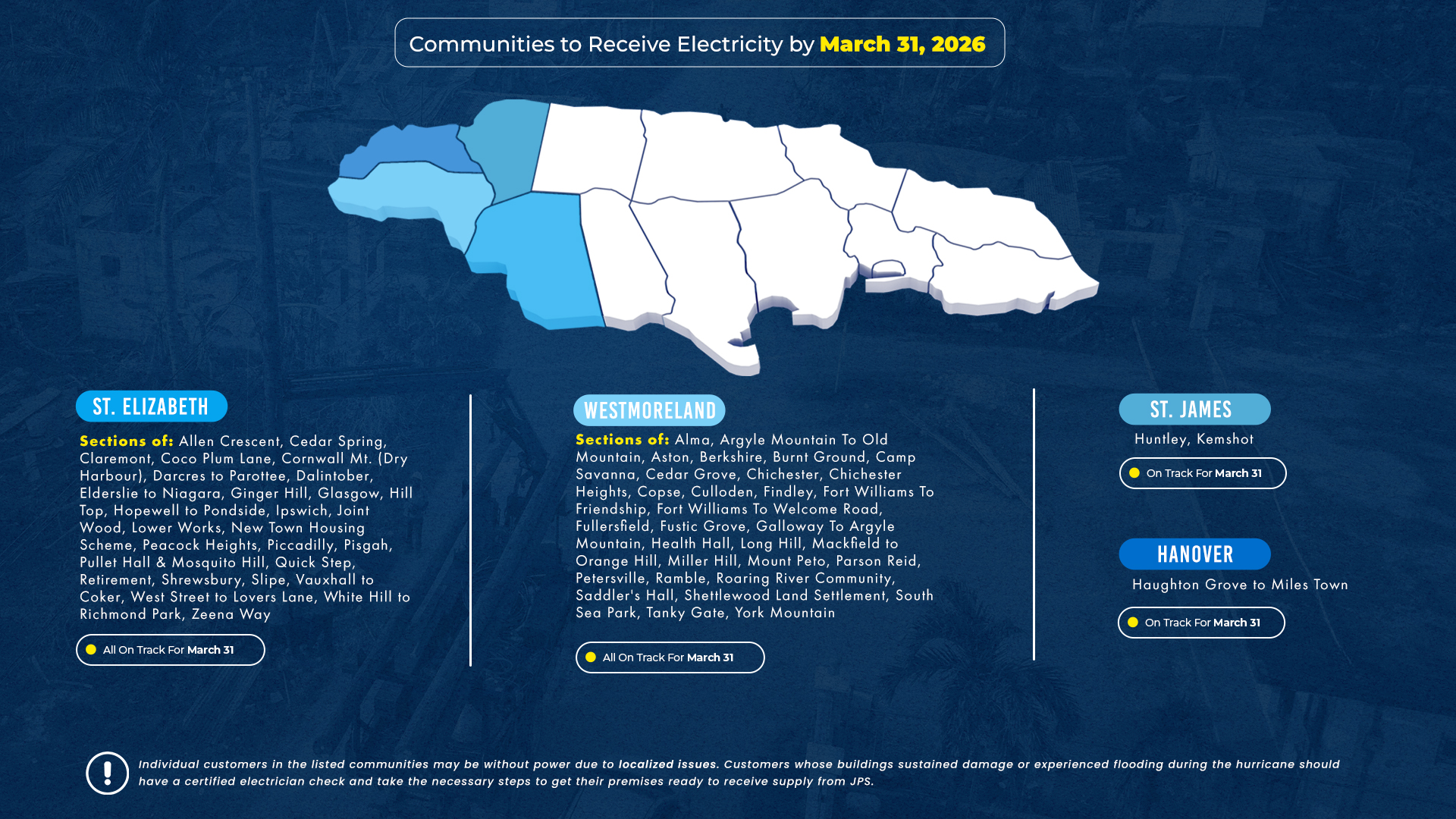
We know the wait for power has been difficult, and we thank you for your patience. We promise to provide you with regular updates on restoration. See our detailed community-level restoration timelines below.
Why are some customers still waiting?
Your area took the worst hit
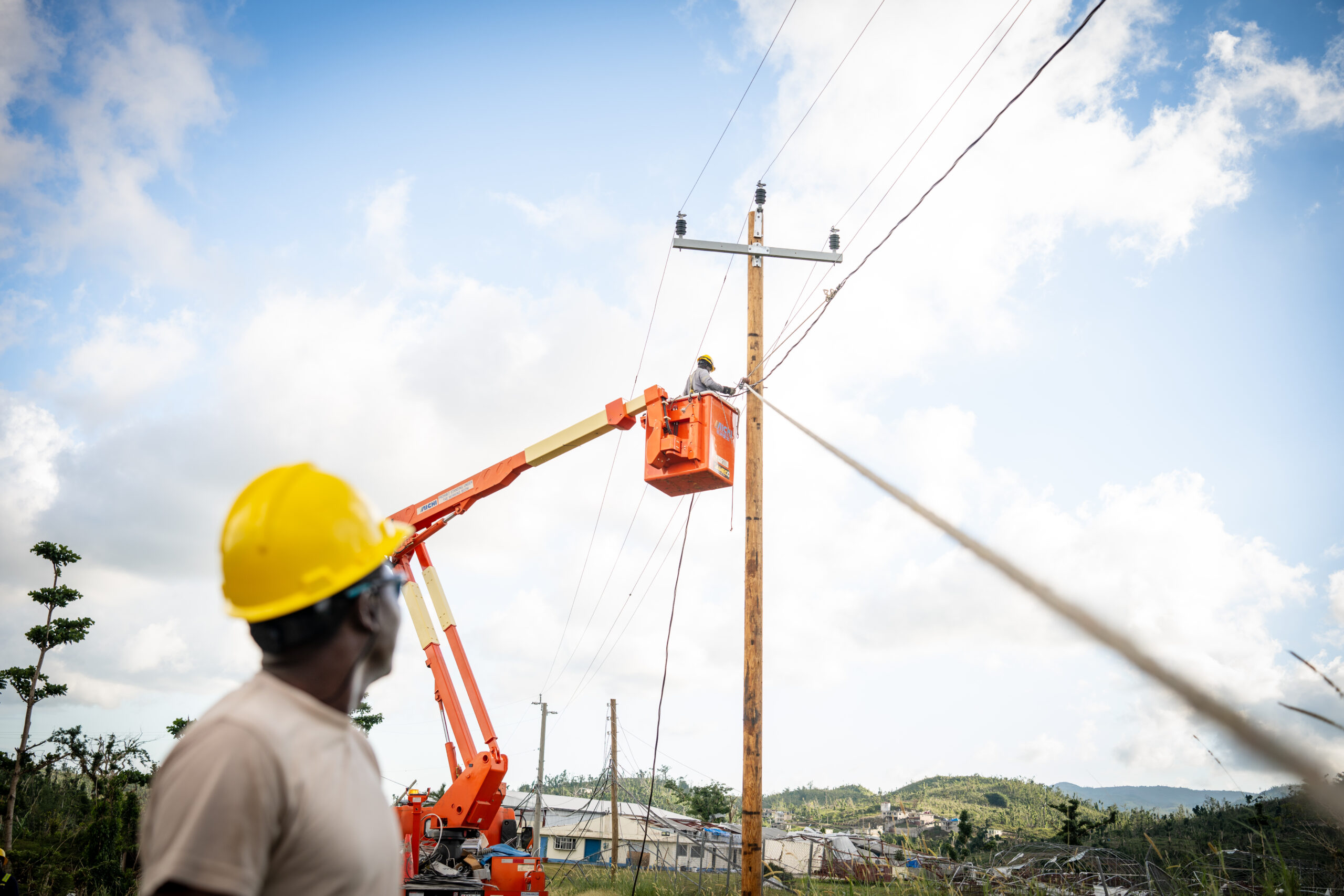
The communities still waiting are the ones where the grid wasn't just damaged, it was destroyed. We're not repairing lines. We're rebuilding entire sections from the ground up: new poles, new wires, new infrastructure.
Our trucks can't always get in
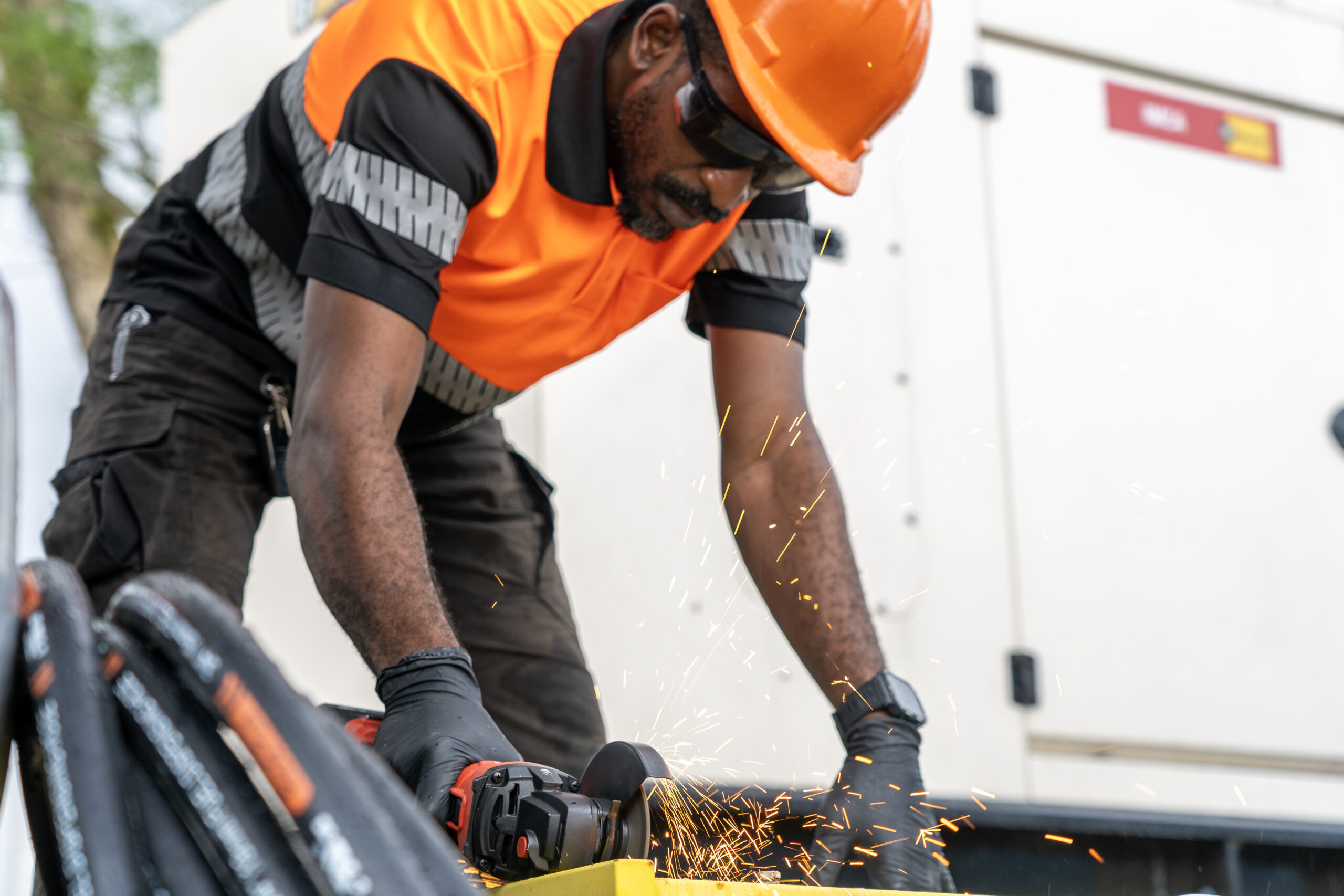
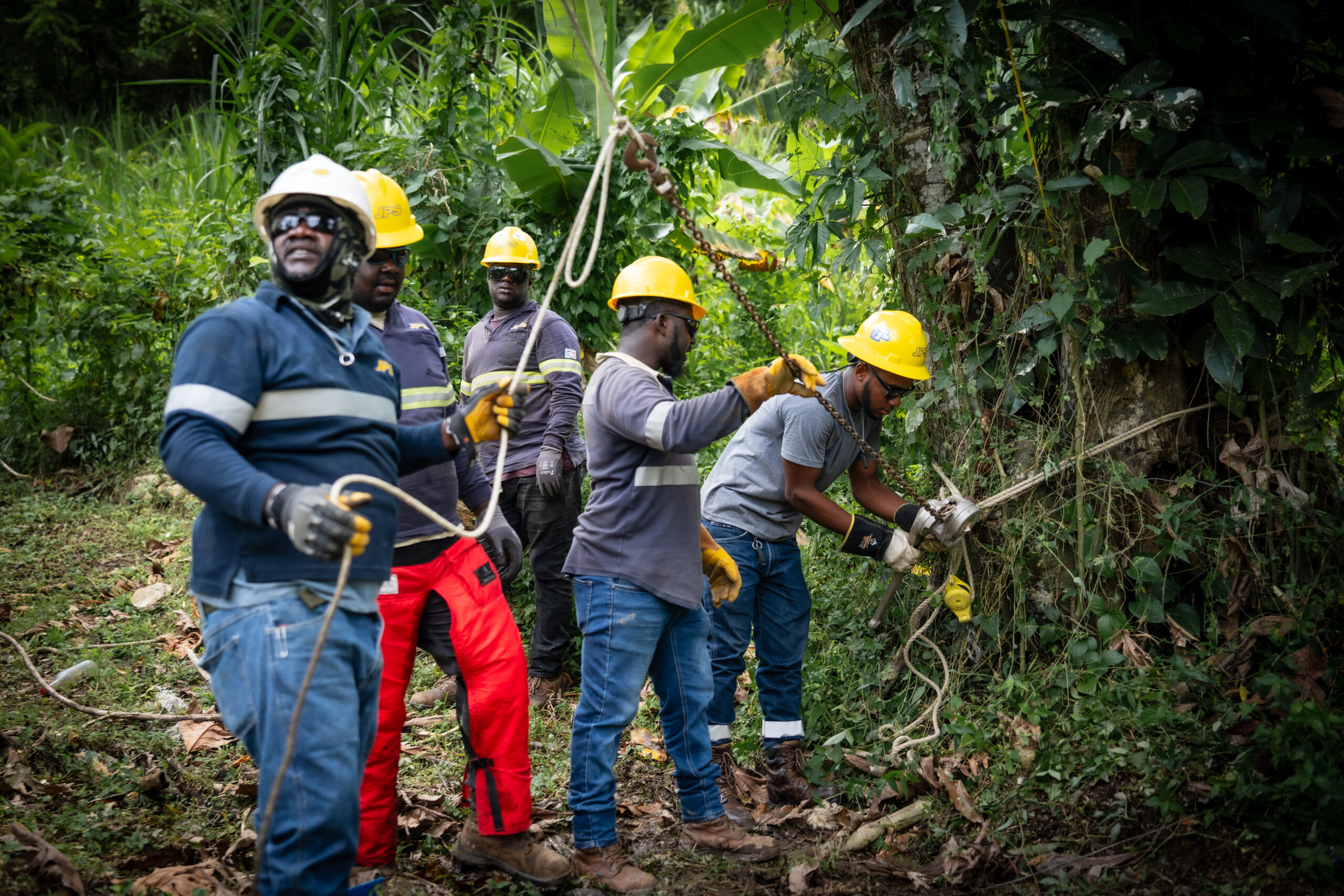
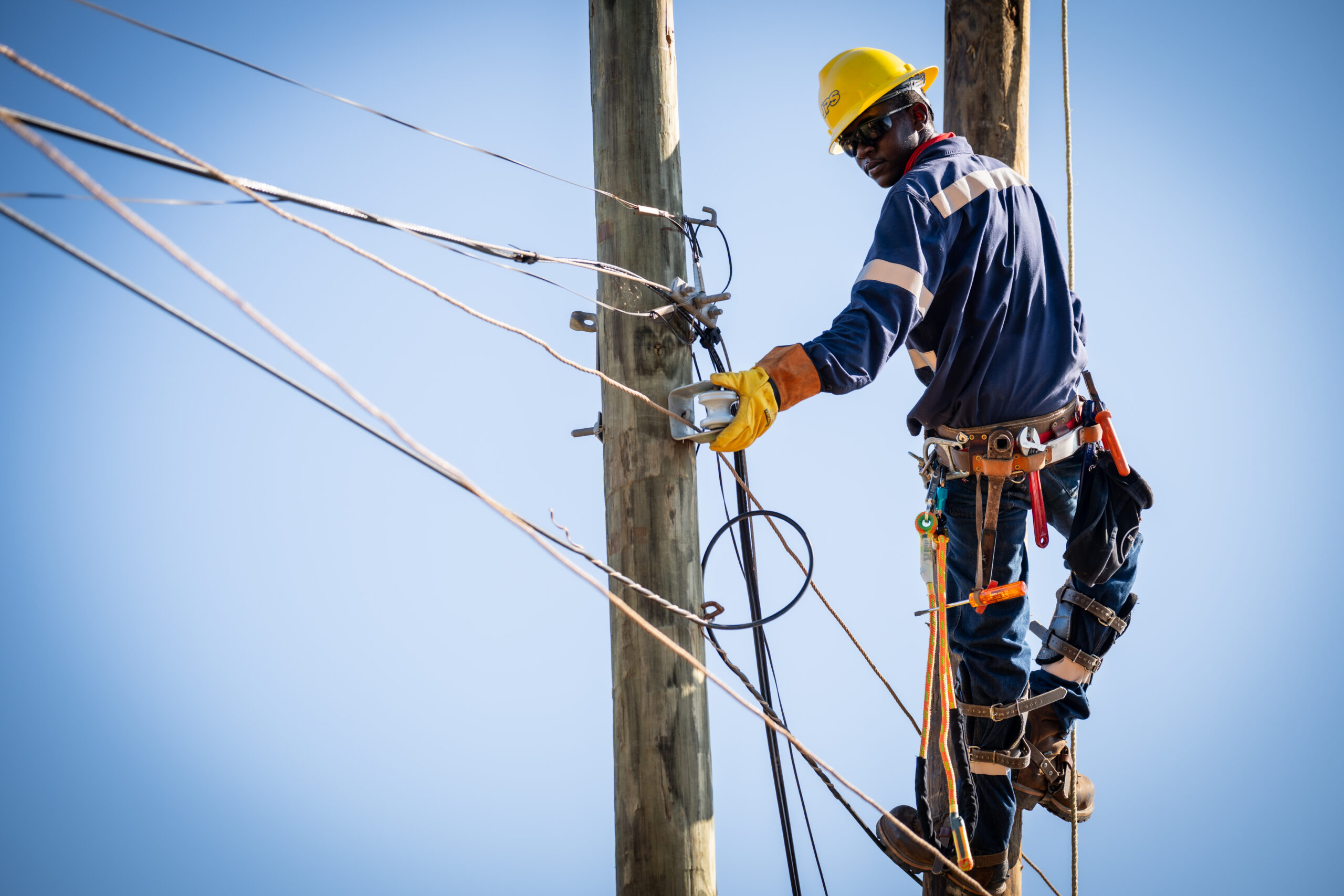
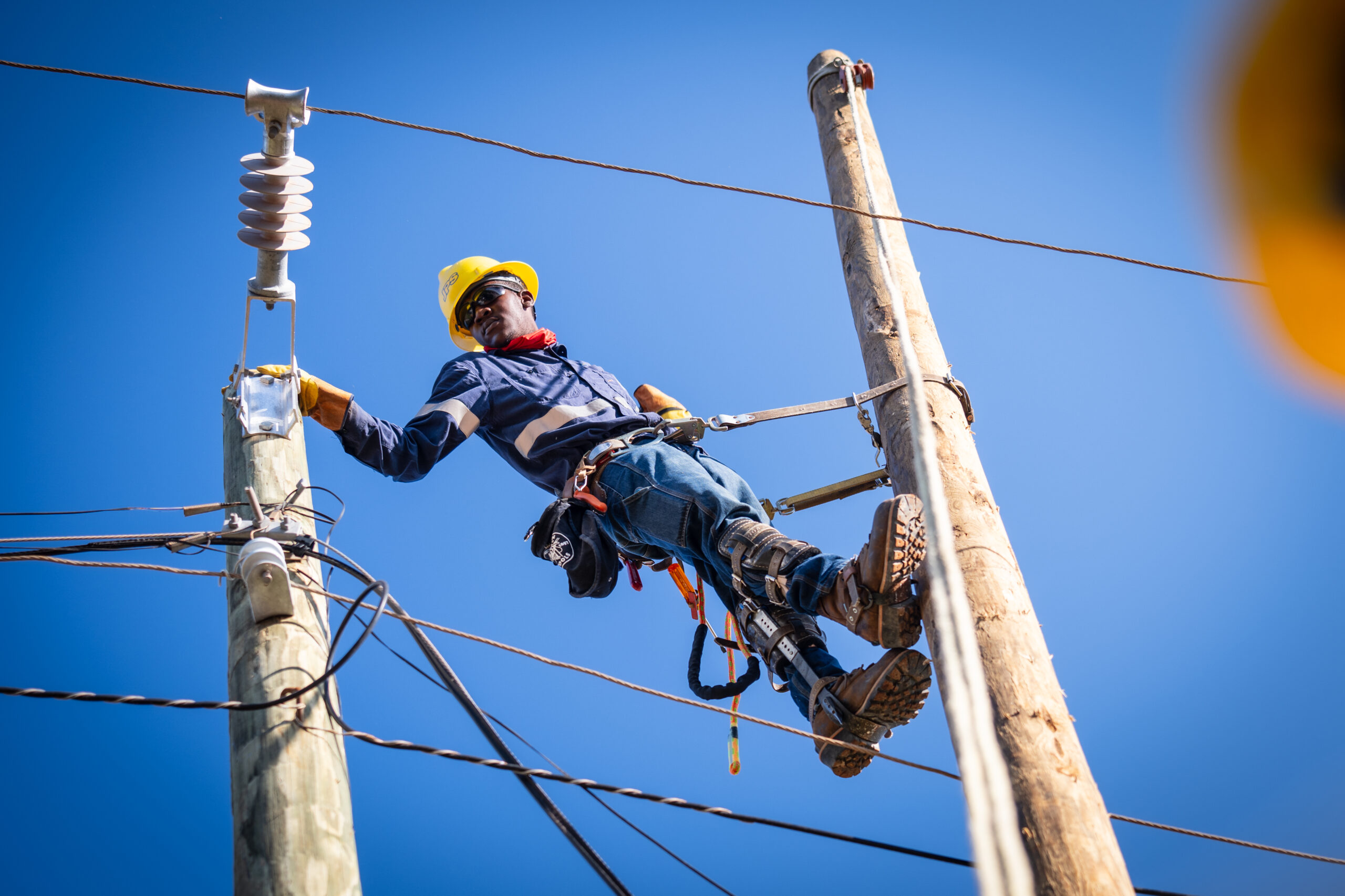
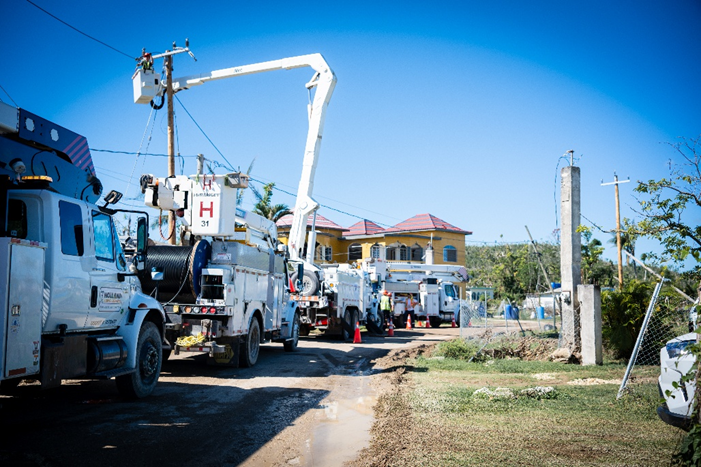
Some communities are in areas where the roads are badly damaged or too narrow for the heavy equipment needed to set poles and string lines. That means crews are doing more work by hand, climbing poles, and carrying materials into areas that large vehicles simply cannot reach.
Your community was cut off from the grid
Some areas aren't just missing a pole or a wire. The entire connection between your community and the main grid was destroyed. Rebuilding that link takes more time because it's not one fix, it's a chain of fixes that have to happen in sequence before power can flow again.
The terrain is working against us
The western parishes, where most of the remaining customers are, have some of the most rugged, hilly, and remote terrain on the island. Roads are narrower, access points are limited, and the landscape makes every single restoration step take longer.
Your Property May Not Be Ready to Receive Power
Even when JPS restores power to your area, your home or business may not be able to connect. Some customers have property damage (destroyed stanchions, potheads, or wiring) that must be repaired and recertified before we can safely reconnect you.
The Jamaica Social Investment Fund (JSIF) has a programme to help get your premises inspected and rewired at no cost to you.
Once your property is ready, let us know. Call 888-225-5577 (Flow) or 888-935-3577 (Digicel), or email calljps@jpsco.com.
Learn More about JSIF rewiringYour Questions Answered
My neighbour has power and I don't, why?
There are two common reasons. First: electrical routing. Your home may be connected to a different circuit or feeder than your neighbour’s, even if you’re on the same road. Power is restored by circuit, not by street address.
Second: property damage. Some of the remaining 17,000 customers cannot safely receive power because their house wiring, meter base, or electrical infrastructure was damaged by the hurricane. In these cases, JPS cannot reconnect you until repairs are made.
What does February 28th mean? will I have power that day?
The February 28 date is a target for an additional 7,000 customers to be restored, which would reduce the total without power to under 10,000. If your community is listed as “Before Feb 28,” crews are actively working toward energizing your area within that window. For the remaining customers beyond Feb 28, the target is March to April 2026.
Are crews actually working in my area?
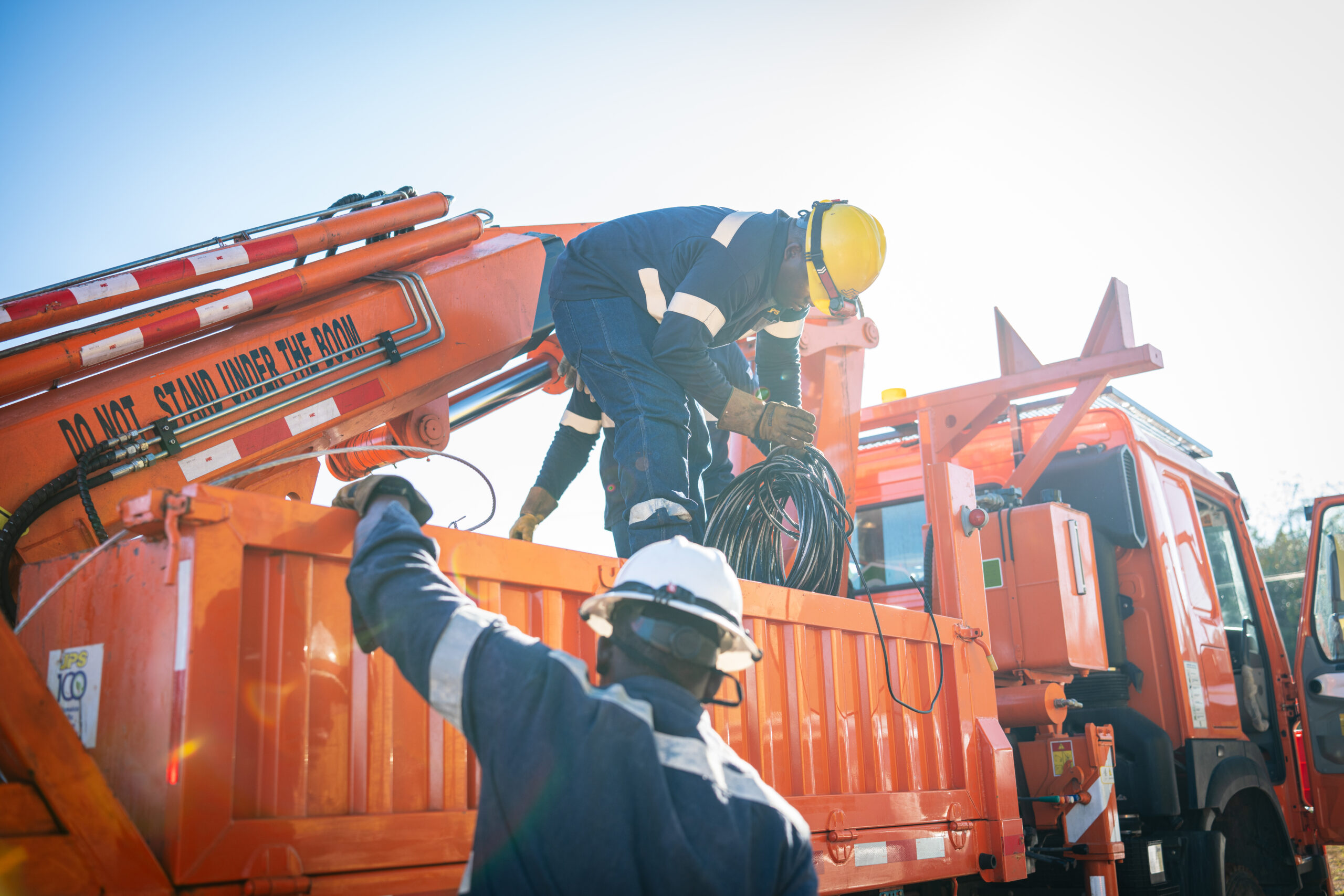
Yes. With 12 of 14 parishes now substantially restored, all JPS local crews, regional teams, and crews from 18 Caribbean partner utilities are concentrated in the Western Region. JPS teams have been on the ground seven days a week. Two JPS incident command centres have been physically relocated to the Western Region so that senior leadership and decision-making are happening close to where the work is. The overseas crews (primarily from North America) who handled the heavy infrastructure rebuild are departing this week, but they have been replaced by Caribbean regional crews who will stay until restoration is complete.
My property has electrical damage, what should I do?
- Call your certified electrician to check your premises for damage.
- If repairs are needed, you’ll need a licensed electrician to fix your house wiring and/or meter base.
- The Jamaica Social Investment Fund (JSIF) is working with JPS to help customers in affected communities. call 876-968-4545 and ask about JSIF support options.
- Once your property is certified ready, JPS will connect you to the grid as part of the ongoing restoration.
How does JPS decide which communities will get power first?
Restoration follows a strategic sequence. Major corridors and feeder lines are restored first because they supply power to the largest number of customers at once. Think of it like reopening a highway before the side roads: you have to rebuild the backbone of the grid before individual branches can be energized. Commercial hubs (like Santa Cruz, Maggotty, and Savanna-la-Mar environs) are prioritized because they serve both residential customers and businesses that communities depend on. After the main infrastructure is live, crews work outward to individual sections and single customers.
How long does power restoration usually take in other countries?
For context: after Category 4 Hurricane Maria hit Puerto Rico in 2017 with 155 mph winds, it took 11 months to restore 95% of customers. Hurricane Melissa crossed Jamaica as a Category 5 with 185 mph winds, and 97.5% of customers have been restored in 3.5 months. This doesn’t make your wait easier, but it reflects the scale of what crews are working through.
We know the numbers don’t matter when you’re the one still in the dark.
The work does not stop until every customer is restored.
12 of 14 parishes are now substantially restored
To the Western Region to complete the remaining work. JPS leadership has relocated two incident command centres to the west to stay close to the communities still being restored. The work has not stopped, and it will not stop until every light is back on.
If you're one of the approximately 17,000 customers still without power, we understand the weight of what you've been going through. Four months without electricity affects everything: how you store food, how your children study, how you keep cool, how your business operates.
We know this has been hard.
That's why we are working 24/7 to get everyone restored.
The work is happening every single day.
JPS Jamaican line workers, supported by crews from 18 Caribbean partner utilities, are in the field seven days a week. Two JPS command centres have physically relocated to the Western Region so that leadership decisions are being made right where the work is so that we can restore even faster.