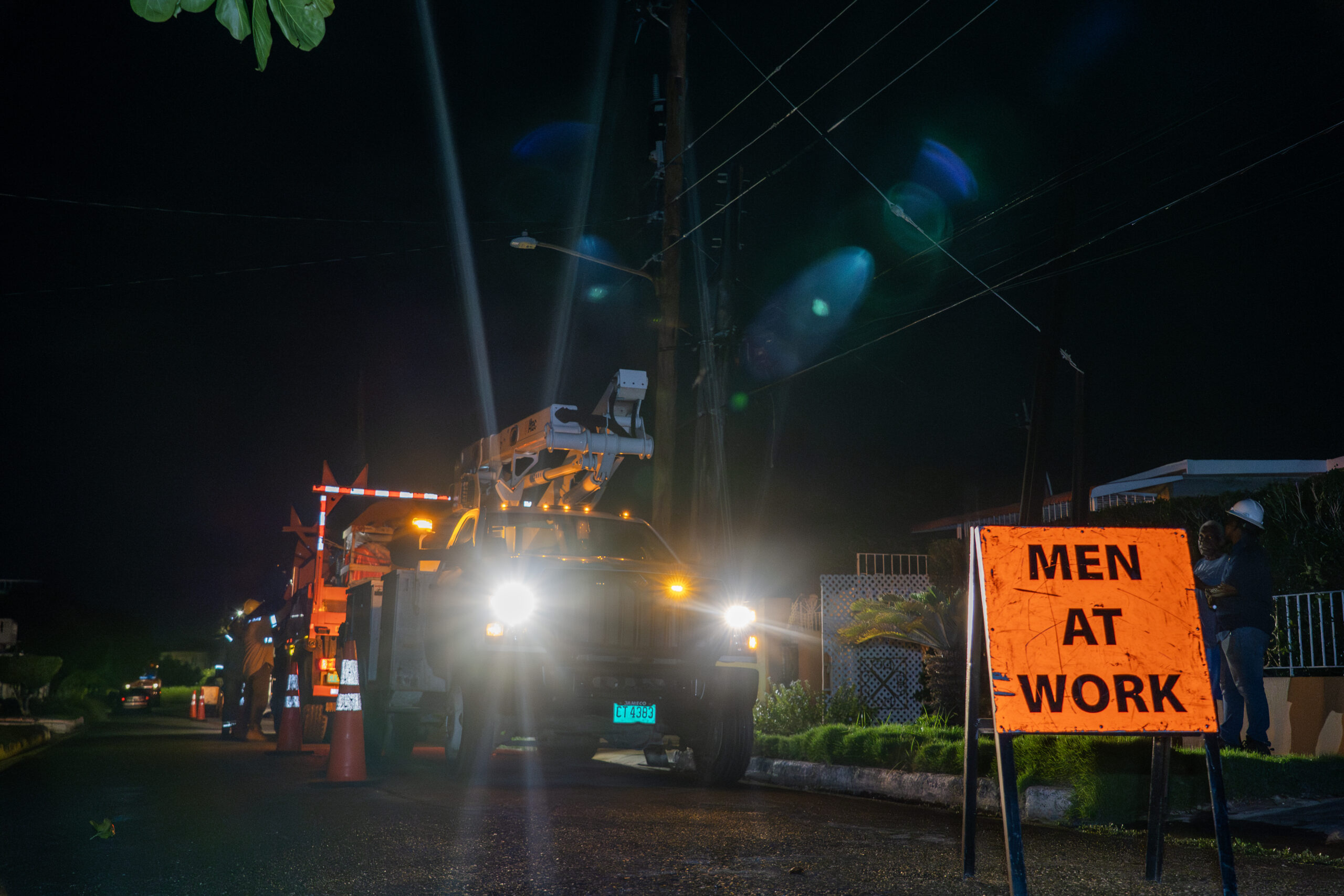
Recovery. Resilience. Readiness.
Everything you need for this hurricane season — in one place, built around your home.
Lets Move Forward Together This Hurricane Season
Hurricane Melissa tested all of us — and Jamaica showed remarkable strength. Thank you for your patience as we restored every last customer. Recovery was a shared journey. This season, so is readiness.
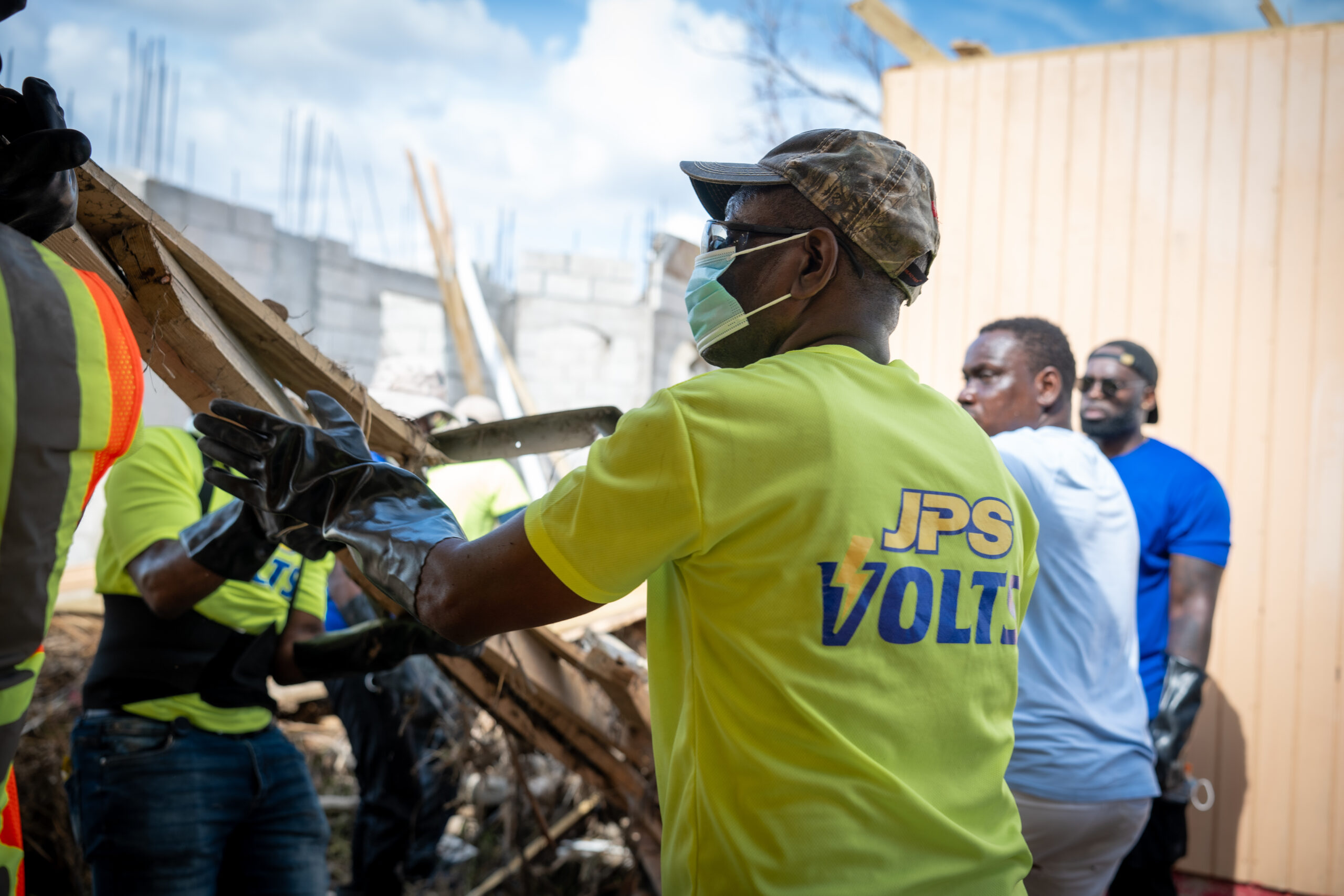
Rebuilding Together
Restoration after Melissa was about more than wires and poles — it was about restoring connection with every community we serve.
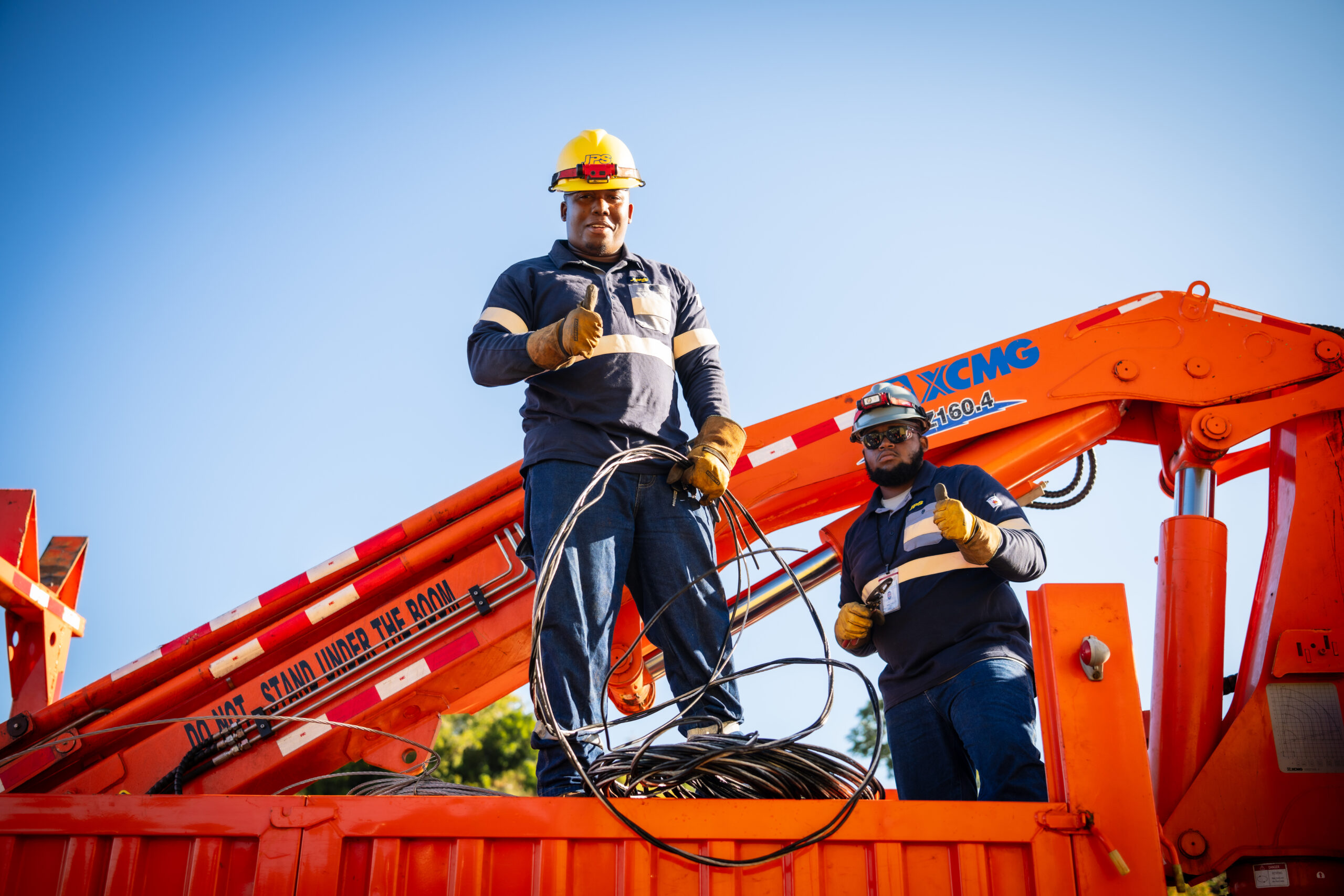
Rebuilding Stronger
Where we rebuilt, we rebuilt better — stronger poles, upgraded equipment, materials made for severe weather.
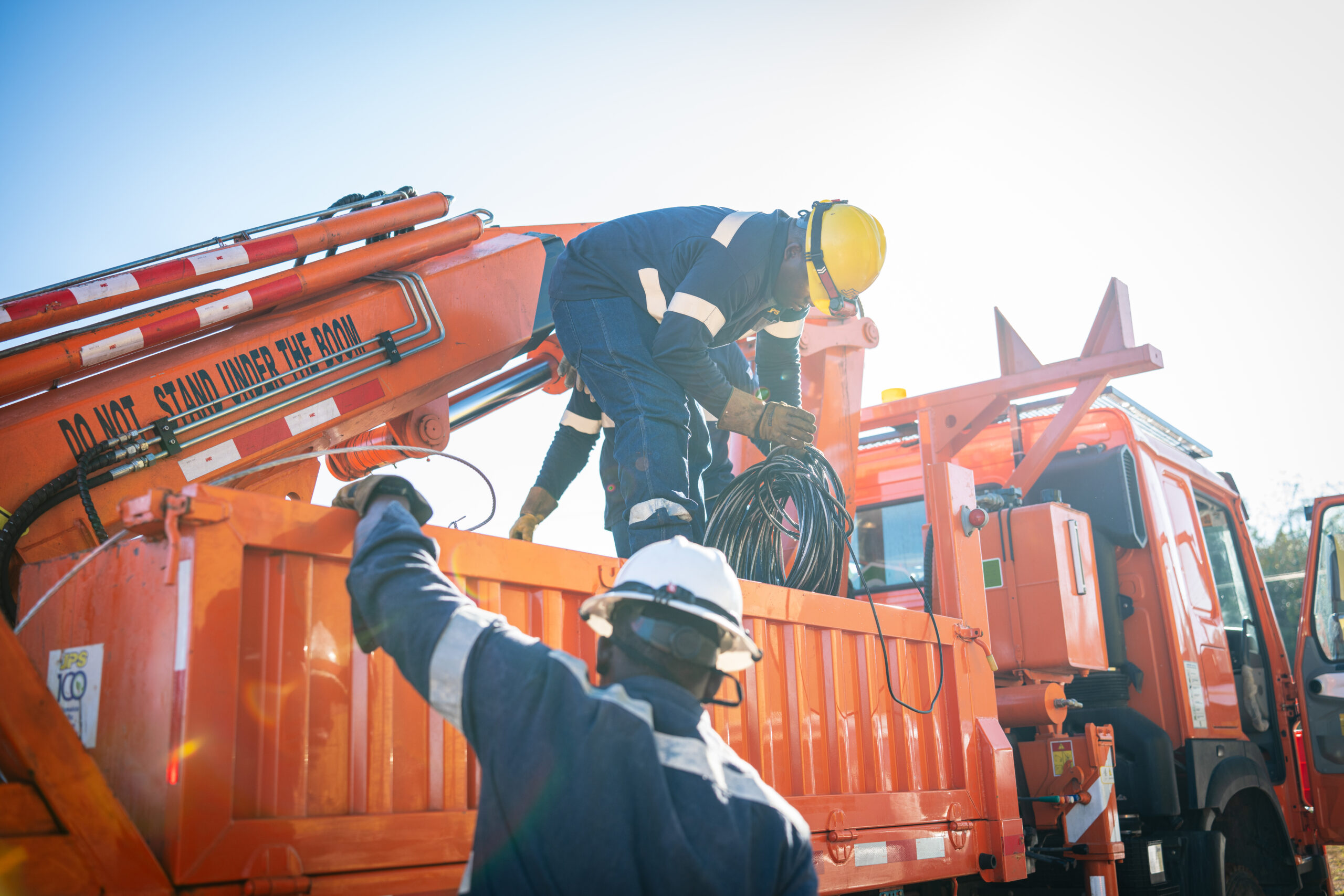
Ready For This Season
Seasoned crews. Partners on standby. Materials in stock. And tools below to get your home just as ready.
“Nuh wait till drum beat before yuh grine yuh axe.”
Don't wait until the drum beats to sharpen your axe.
Built around your household
Generic lists miss what matters to your home. Three minutes here gets you a plan that actually fits.
How ready are you, really?
Ten questions, under three minutes. You'll learn something after every answer — and finish with your gaps ranked by what matters most.
Where are you in the hurricane timeline?
Step 1 of 3 · We only give you what's relevant right now.
Who's in your home?
Step 2 of 3 · A house with a newborn and a house with one person prepare very differently.
Anything else true for you?
Step 3 of 3 · Tap all that apply — or none.
Preparing since before June 1
No utility can prevent hurricane damage. What we control is how ready we are to respond.
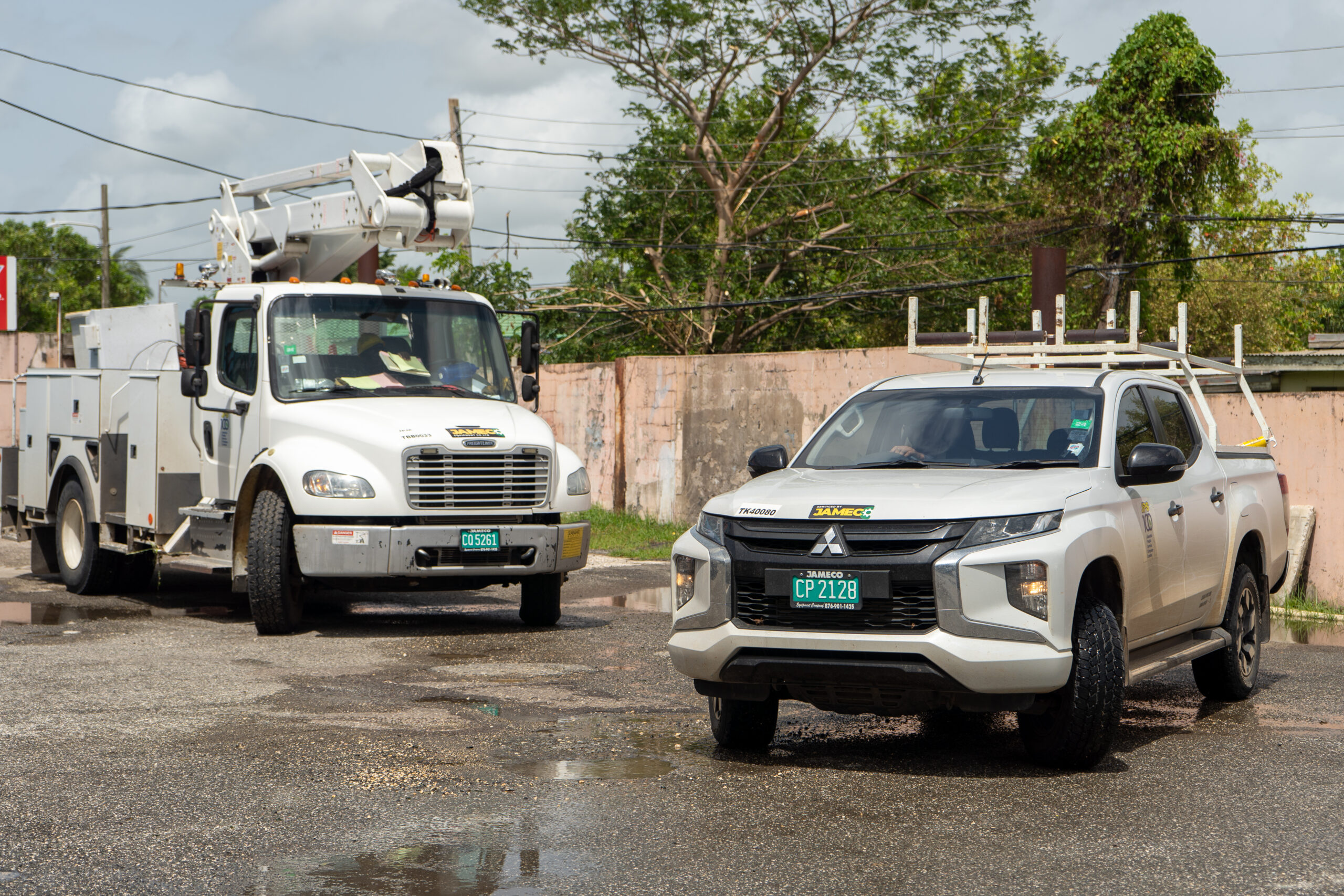
Our crews carry the lessons of Melissa into this season. They know what to expect, how to move, and how to prioritise in the hardest conditions. This team has done this before — and several hurricane drills before June 1 made sure every member knows their storm role.
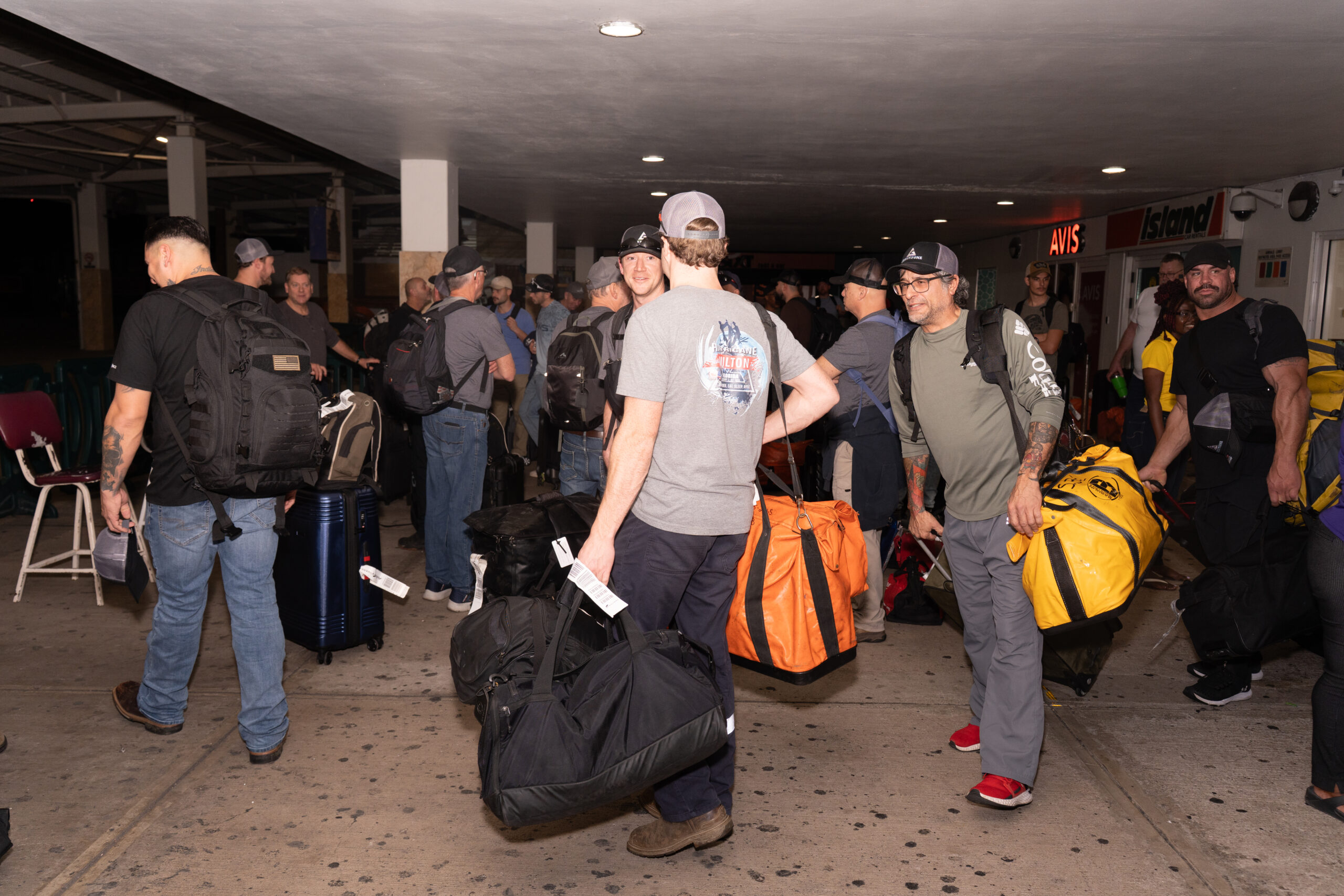
Formal arrangements with regional and international partners are already in place. If a major storm hits, additional crews and equipment mobilise immediately. We are not facing this season alone — and neither are you.
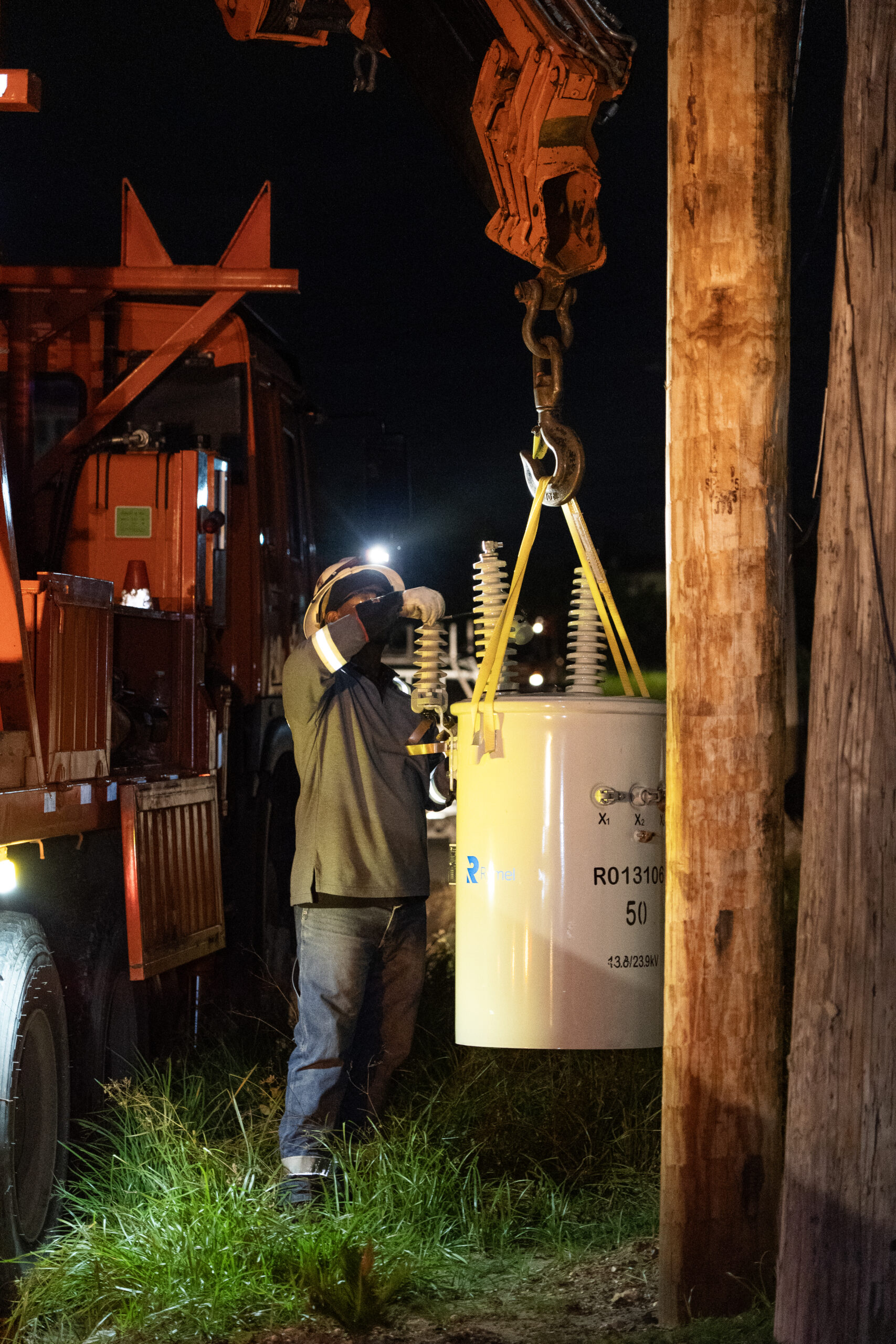
Poles, transformers, conductors and equipment were pre-ordered and stockpiled before the season started. When damage happens, we're not waiting on shipping schedules — the materials to rebuild are already on the island.
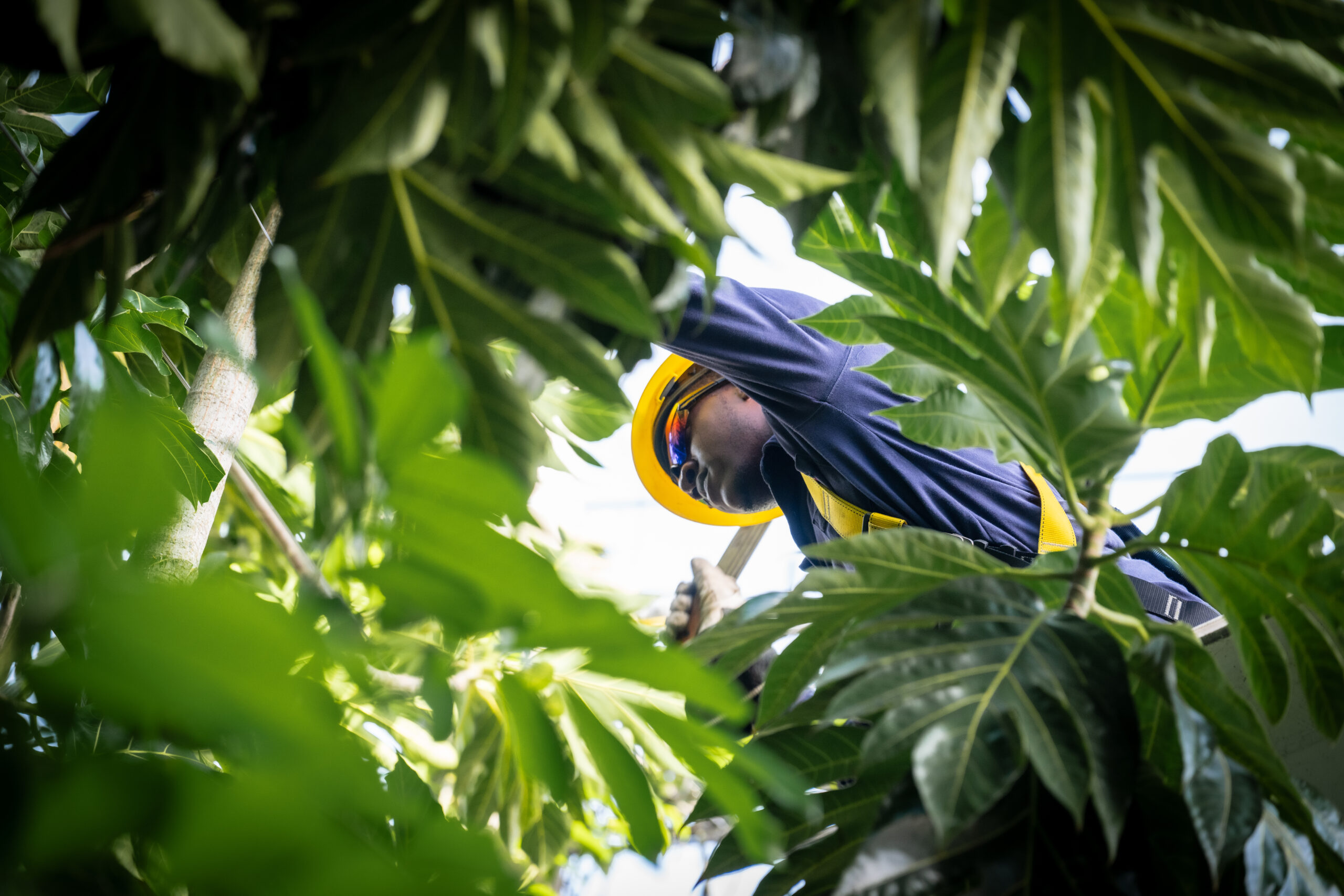
Contractor teams are removing danger trees near power lines in every parish. Trees on lines are a top cause of storm outages — clearing them now means fewer outages and faster restoration when it counts. More on what you can do in Chapter 04.
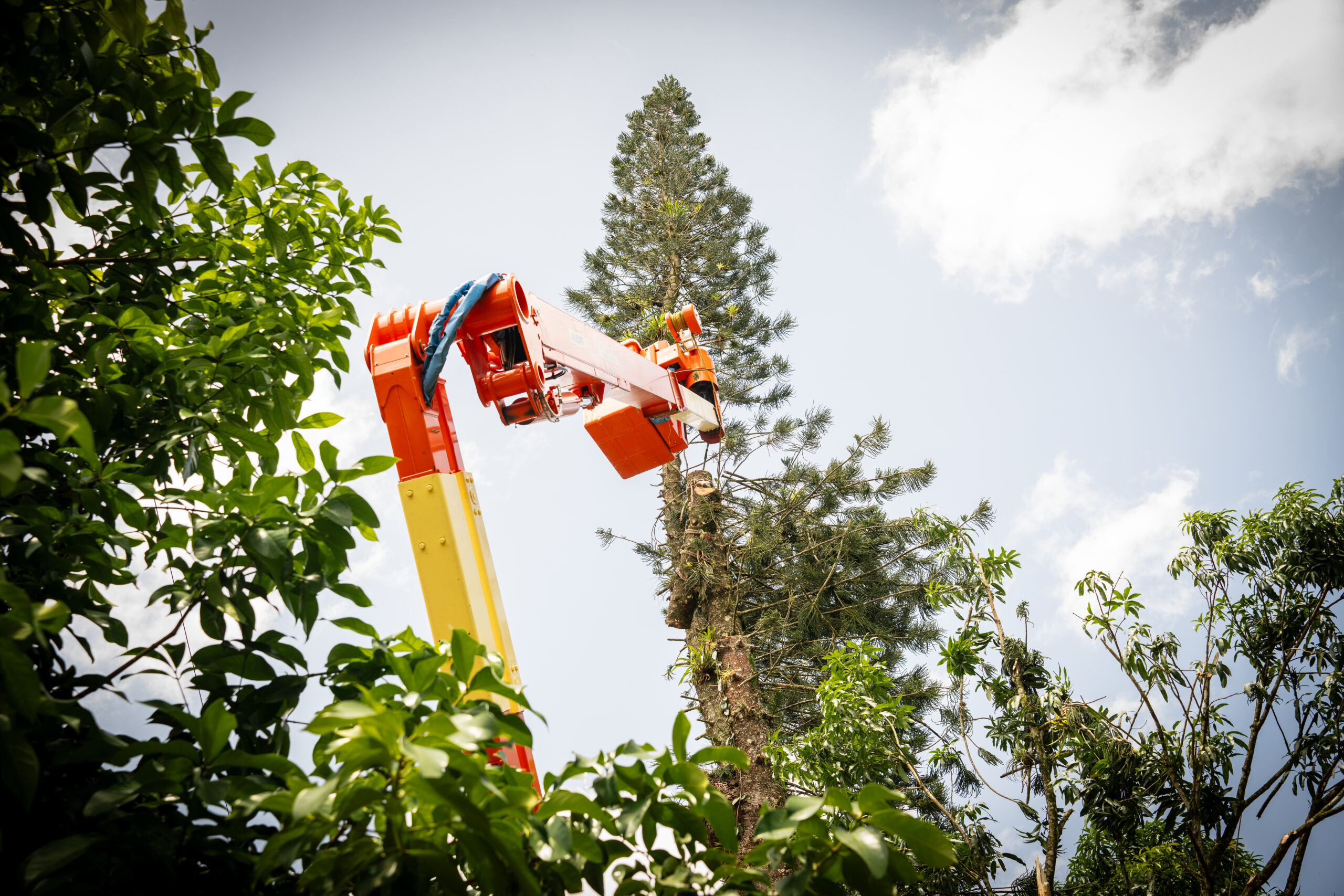
One branch can take out a whole street
Trees on power lines are a leading cause of outages in Jamaica. JPS is clearing lines from our side. We need your help on yours.
Crews in every parish, all season
Our vegetation management programme removes danger trees threatening power lines islandwide — year-round, intensified before and during hurricane season.
Trim trees near lines on your property
- Keep 10 feet of clearance between trees and any service line.
- Branch close to or touching a line? Don't cut it yourself — call 888-225-5577 and we'll guide you safely.
Why can't we just flip a switch?
The question we heard most after Melissa: why is my neighbour's power back and mine is not? Power has to travel — if the highway is blocked, you can't drive to your driveway. Energize the grid below and see why restoration happens in this exact order.
A major storm has just passed.
Every light on this line is out. Energize the grid step by step and see exactly what JPS crews are doing — and why your street comes back when it does.
Investigating Isolated Outages
When high-voltage distribution networks return, some isolated pockets can remain offline due to localized branch fuses, grid safety switchouts, or specific infrastructure failures. We prioritize tracking these micro-faults through your field logs.
Navigating Post-Storm Outages
Homes on the exact same street can be serviced by completely separate line phases or different localized transformers. If an individual fuse link blows or downstream equipment suffers structural compromise, your neighbors might see active lights while your section stays isolated until targeted repair drops are safely completed.
Isolated failures stem from multiple distinct field issues, including: damaged drop conductor drops connecting poles to house weatherheads, operated line section fuses, tracking damage on external sub-meters, hidden transformer terminal burnouts, or water logging inside private property main breaker frameworks.
This is commonly called a "dropped leg" or single-phase condition. It happens when one of your primary incoming 110V live lines gets cut or shorted while the sister feed continues running. Turn off high-draw appliance breakers (like refrigerators and air conditioners) right away to mitigate electrical wear, and report the occurrence to dispatch.
Stay in the loop. Stay ahead.
Update your contact details so JPS can reach you before, during, and after a storm.
@myjpsonline · 888-CALL-JPS · 888-225-5577